Fire-Resistant Insulation: Enhancing Building Safety
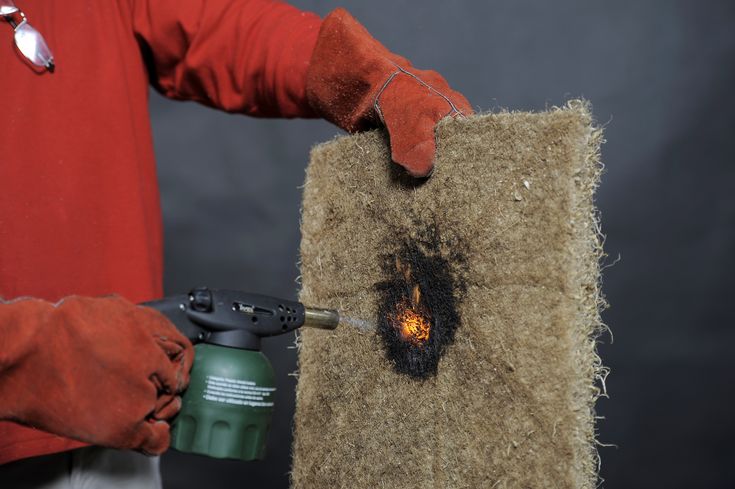
Fire safety is a critical consideration in modern construction, especially for residential, commercial, and industrial buildings. One of the most effective ways to enhance fire protection is through the use of fire resistant insulation. This specialised insulation helps slow the spread of flames, reduce heat transfer, and protect structural components, giving occupants more time to evacuate and minimising property damage.
What Is Fire Resistant Insulation?
Fire resistant insulation is designed to withstand high temperatures and limit the spread of fire within a building. Unlike standard insulation materials, it is manufactured to resist ignition, reduce flame propagation, and maintain structural integrity under extreme heat.
Common materials used in fire resistant insulation include mineral wool, treated spray foam, fibreglass, and fire-rated rigid boards. These materials are tested to meet strict fire safety standards and building regulations.
How Fire Resistant Insulation Improves Safety
During a fire, heat and flames can rapidly spread through wall cavities, ceilings, and floors. Fire resistant insulation acts as a barrier that slows this process, reducing the speed at which fire moves between rooms and levels.
By limiting heat transfer, fire resistant insulation helps protect load-bearing structures such as steel beams, timber framing, and concrete elements. This added protection reduces the risk of early structural failure, which is crucial for both occupant safety and emergency response efforts.
Limiting Fire Spread in Buildings
One of the main benefits of fire resistant insulation is its ability to compartmentalise fire. Properly installed insulation helps contain flames within a specific area, preventing rapid fire spread through concealed spaces.
In commercial and industrial buildings, where fire risks are often higher due to equipment and electrical loads, fire resistant insulation provides an extra layer of defence. It also supports compliance with fire safety regulations and insurance requirements.
Protecting Residential Properties
In homes, fire resistant insulation plays a vital role in improving overall safety. Insulation installed in walls, ceilings, roof cavities, and underfloors reduces the likelihood of fire spreading unnoticed through hidden spaces.
For multi-storey or shared residential buildings, fire resistant insulation is particularly important, as it helps prevent fire from spreading between units. This not only protects lives but also reduces extensive property damage.
Fire Resistant Insulation and Energy Efficiency
Beyond fire protection, fire insulation also contributes to energy efficiency. Many fire-rated insulation materials offer excellent thermal performance, helping maintain stable indoor temperatures year-round.
By reducing heat loss in winter and heat gain in summer, fire insulation lowers energy consumption and heating and cooling costs. This dual benefit makes it a practical and cost-effective solution for building owners.
Moisture, Mould, and Durability Benefits
High-quality fire resistant insulation is often moisture-resistant, which helps prevent mould growth and material degradation. By keeping building cavities dry, insulation protects structural elements and improves indoor air quality.
Durable insulation materials also retain their performance over time, ensuring long-term fire protection without frequent replacement or maintenance.
Applications Across Building Types
Fire insulation is suitable for a wide range of applications, including:
- Residential homes and apartments
- Commercial offices and retail spaces
- Industrial facilities and warehouses
- Schools, hospitals, and public buildings
In each of these environments, fire insulation enhances safety while supporting building performance and compliance.
Importance of Professional Installation
For fire resistant insulation to be effective, correct installation is essential. Gaps, compression, or improper placement can significantly reduce its fire protection capabilities.
Professional installers assess fire risk areas, select appropriate fire-rated materials, and ensure full coverage according to Australian building codes. This guarantees that fire insulation performs as intended during a fire event.
Long-Term Protection and Compliance
Building regulations increasingly priorities fire safety and energy efficiency. Installing fire insulation helps meet these requirements while providing peace of mind to property owners and occupants.
In addition, buildings equipped with fire insulation may benefit from improved insurance terms and higher property value due to enhanced safety features.