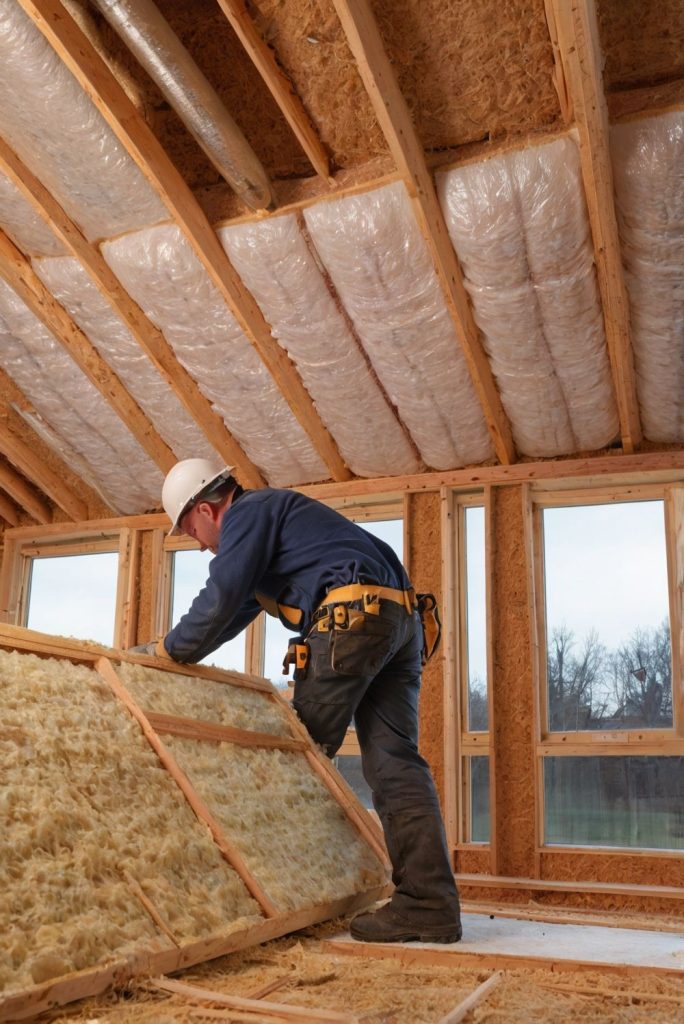
Air leakage is one of the biggest hidden causes of energy loss in buildings, and this is where air sealing insulation plays a crucial role. Many Australian homes and commercial properties lose up to 30% of their heating and cooling through small gaps, cracks, and unsealed areas. Without proper air insulation, even the best heating systems struggle to maintain indoor comfort.
Air sealing insulation works by closing off uncontrolled airflow paths in walls, ceilings, roofs, and underfloor areas. Unlike traditional insulation materials that only slow heat transfer, sealing insulation actively blocks air movement, preventing warm air from escaping in winter and hot air from entering during summer.
One of the most effective air sealing insulation methods is spray foam insulation. When applied, the foam expands to fill even the smallest gaps, creating a continuous airtight barrier. This makes air sealing insulation ideal for older homes, renovations, and buildings with complex structures.
The benefits of air sealing extend beyond energy savings. By stopping air leaks, it improves indoor air quality by reducing dust, pollen, and pollutants entering the building. It also minimizes moisture infiltration, helping prevent mold growth and structural damage over time.
Air sealing insulation is especially important in Melbourne and Victoria, where temperature fluctuations place extra strain on heating and cooling systems. Properly sealed buildings maintain stable indoor temperatures, resulting in greater comfort and lower energy bills.
Commercial buildings also benefit significantly from sealing insulation. Warehouses, offices, and retail spaces often have large surface areas where air leakage occurs. Sealing these areas improves operational efficiency and reduces long-term energy costs.
Investing in professional air sealing insulation ensures correct application and long-lasting performance. When combined with quality insulation materials, sealing insulation becomes a powerful solution for sustainable, energy-efficient buildings.
Air Sealing Insulation for Energy Efficiency
Air leakage is one of the most overlooked causes of energy loss in residential, commercial, and industrial buildings. Even small gaps around doors, windows, ceilings, walls, and service penetrations can allow large amounts of conditioned air to escape. Air insulation is a highly effective solution designed to block these unwanted air pathways, significantly improving energy efficiency and indoor comfort.
What Is Air Sealing Insulation?
Air sealing insulation focuses on stopping uncontrolled airflow through a building’s envelope. Unlike traditional insulation materials that only slow heat transfer, sealing insulation actively seals cracks, gaps, and joints that allow air to move in and out of a structure. This creates a continuous airtight barrier that helps maintain consistent indoor temperatures year-round.
Spray foam insulation is one of the most effective forms of air sealing insulation. It expands upon application, filling even the smallest cavities and hard-to-reach areas. Once cured, it forms a durable, long-lasting seal that prevents air leakage far more effectively than conventional insulation products.
How Air Sealing Insulation Improves Energy Efficiency
When buildings are not properly sealed, heating and cooling systems must work harder to maintain comfort. Warm air escapes during winter, while hot outdoor air enters during summer. Air sealing insulation minimizes this energy loss by keeping conditioned air inside where it belongs.
By reducing air leakage, air sealing insulation can lower energy consumption by up to 30 percent in some buildings. This leads to reduced energy bills, improved system efficiency, and less strain on heating and cooling equipment.
Benefits Beyond Energy Savings
The advantages of air sealing insulation go beyond reduced energy costs. One major benefit is improved indoor air quality. Sealing gaps helps prevent dust, pollen, exhaust fumes, and outdoor pollutants from entering the building. This is especially beneficial for people with allergies or respiratory issues.
Air sealing insulation also helps control moisture movement. Uncontrolled airflow often carries moisture into wall and ceiling cavities, which can lead to condensation, mould growth, and structural damage. By sealing these pathways, air sealing insulation protects the building from long-term moisture-related problems.
Ideal Applications for Air Sealing Insulation
Air sealing insulation is suitable for a wide range of applications, including roofs, ceilings, walls, underfloor areas, and around service penetrations. It is particularly effective in older homes, renovations, and commercial buildings where air leakage is common.
In climates like Australia’s, where temperatures vary significantly, sealing insulation ensures consistent indoor comfort throughout the year. It helps buildings stay warmer in winter and cooler in summer without excessive energy use.
Why Professional Installation Matters
To achieve maximum performance, air insulation should be installed by trained professionals. Proper assessment, correct material selection, and expert application ensure that all air leakage points are effectively sealed. Professional installation also ensures compliance with Australian building standards and long-term insulation performance.