How Spray Foam Insulation Improves Indoor Air Quality
spray foam indoor air quality is a growing concern for homeowners, families, and commercial space managers. Pollutants, allergens, dust, and outdoor contaminants can enter buildings through unsealed gaps and poor insulation. That’s why spray foam indoor air quality improvements are a major advantage of modern insulation.
Spray foam works on two fronts: thermal control and airtight sealing — both of which directly impact air quality.
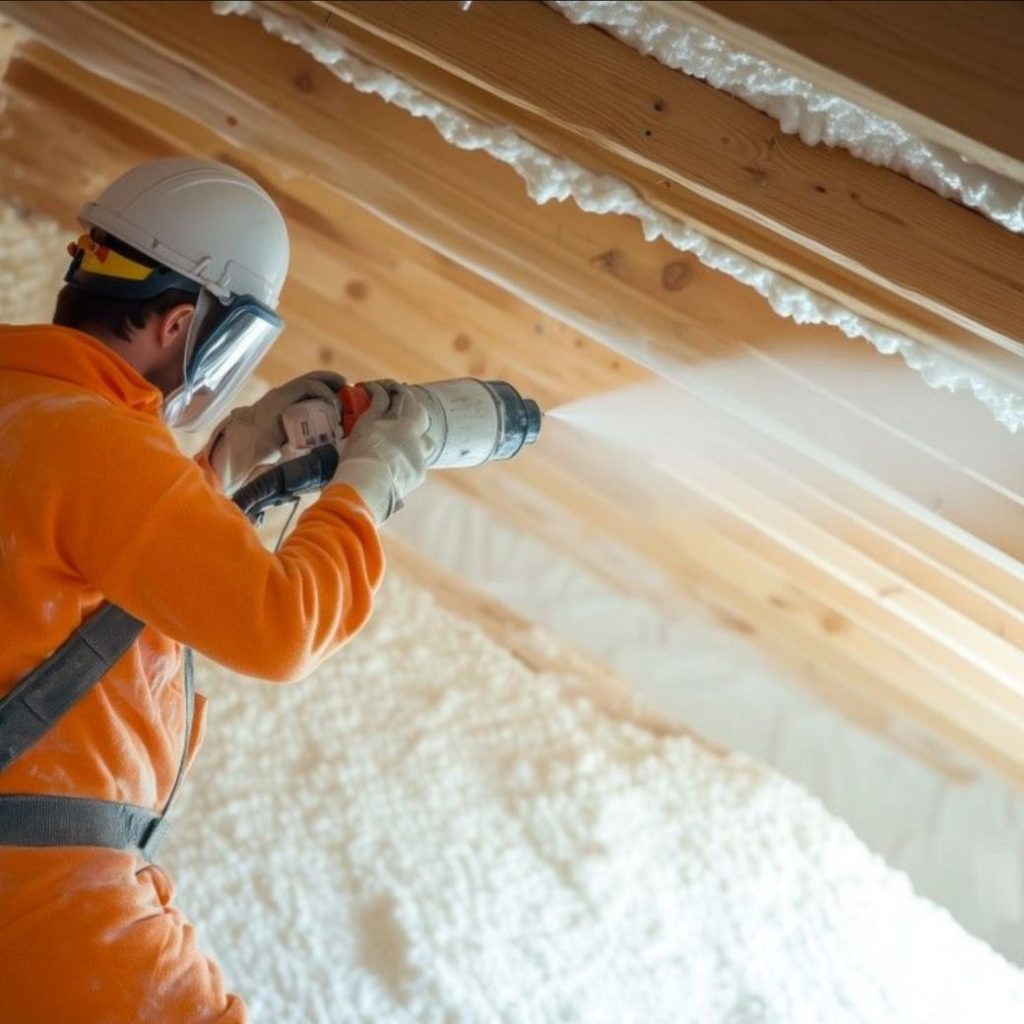
The Link Between Insulation & Air Quality
Unsealed gaps in walls, ceilings, and floors allow outdoor air — along with pollen, dust, and exhaust particles — to enter living spaces. Traditional insulation materials may slow heat transfer but don’t stop air infiltration. This is where spray foam indoor air quality makes a difference.
Spray foam expands to fill voids and gaps, creating an airtight envelope that blocks pollutants and allergens from entering your home or business.
Benefits of Spray Foam Indoor Air Quality Improvements
✔ Reduced Dust & Allergens
With fewer air leaks, less outdoor air enters — reducing dust accumulation and allergy triggers.
✔ Fewer Pollutants
Blocking gaps prevents exposure to smoke, vehicle exhaust, and industrial airborne particles.
✔ Better Humidity Control
Spray foam’s moisture-resistant qualities help manage humidity, reducing mould and mildew — major indoor air quality disruptors.
✔ Enhanced Comfort
Stable humidity levels and fewer contaminants make indoor spaces healthier and more pleasant.
How Spray Foam Works
Spray foam insulation creates a tight seal around the building envelope — walls, ceilings, roofs, and underfloor spaces. This seal blocks outside air and drafts that carry pollutants, improving overall air quality and contributing to HVAC efficiency.
Whether residential or commercial, spray foam indoor air quality benefits apply broadly:🏠 Ideal for All Properties
- Houses
- Apartments
- Offices
- Clinics
- Schools
- Hospitality spaces
Improving indoor air quality creates healthier environments for occupants and boosts energy efficiency at the same time.
Choosing Professional Installation
To maximize the spray foam indoor air quality benefits, professional installation is key. Proper application ensures complete coverage and eliminates gaps that can compromise air quality.
Spray foam indoor air quality improvements are a compelling reason to choose this insulation solution. By reducing air infiltration, blocking allergens and moisture, and enhancing comfort, spray foam offers a powerful pathway to healthier, energy-efficient buildings.
Spray Foam Insulation and Healthier Living Environments
One of the most overlooked benefits of spray foam indoor air quality improvement is its positive impact on occupant health. Poor indoor air quality can trigger asthma, allergies, headaches, and respiratory discomfort. Buildings with air leaks allow pollen, dust mites, mould spores, and outdoor pollutants to circulate freely indoors.
By creating an airtight seal, spray foam insulation significantly reduces the entry of airborne contaminants. This makes spray foam indoor air quality solutions especially beneficial for families with children, elderly residents, or individuals with respiratory conditions.
Reducing VOCs and Outdoor Pollutants
Outdoor pollutants such as vehicle emissions, industrial fumes, and smoke can easily enter buildings through unsealed gaps. Traditional insulation materials do little to stop this airflow. In contrast, spray foam indoor air quality improvements block these pathways and prevent pollutants from entering living and working spaces.
Once cured, modern spray foam insulation emits minimal VOCs and becomes chemically stable. This means it does not release harmful gases over time, contributing to cleaner, safer indoor air.
Improved HVAC Performance and Cleaner Air
Heating and cooling systems rely on consistent airflow to maintain healthy indoor conditions. Air leaks force HVAC systems to work harder, often circulating dust and pollutants throughout the building.
With improved spray foam indoor air quality, HVAC systems operate more efficiently. Reduced air leakage means filters stay cleaner for longer, airflow remains balanced, and indoor air feels fresher and more comfortable year-round.
Ideal Solution for Urban & Commercial Spaces
Urban environments are especially vulnerable to poor air quality due to traffic, construction dust, and pollution. Spray foam indoor air quality solutions are ideal for offices, clinics, schools, and retail spaces where maintaining clean air is essential for productivity and wellbeing.
Commercial buildings benefit from fewer employee sick days, better comfort, and improved building performance when spray foam insulation is used as part of an air-quality-focused strategy.
Long-Term Indoor Air Quality Benefits
Unlike traditional insulation that may shift, compress, or degrade, spray foam maintains its seal for decades. This ensures long-term spray foam indoor air quality benefits without frequent maintenance or replacement.
Over time, building owners experience:
- Reduced indoor dust accumulation
- Fewer odours from outdoor sources
- Better humidity control
- Cleaner and healthier indoor environments
Why Choose Thermal Spray Insulations?
We specialize in:
✔️ Polyurethane spray foam insulation
✔️ Thermal insulation upgrades
✔️ Energy efficiency improvements
Our services ensure maximum comfort and savings.
📞 Contact Details
Thermal Spray Insulations
📞 0448 663 161 / 0481 023 028
📧 info@thermalsprayinsulations.com.au
🌐 thermalsprayinsulations.com.au
Understanding insulation R-value explained empowers property owners to make better insulation decisions. By selecting the right R-value and applying the proper installation method, you can achieve maximum comfort, efficiency, and long-term savings.